What Parents Should Know About Early Learning Programs
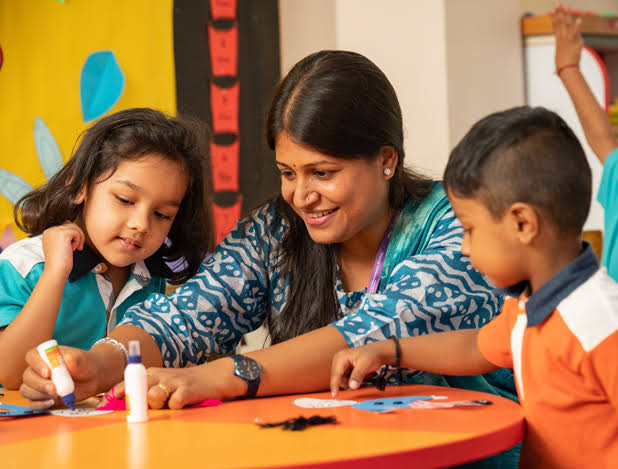
Early learning programs influence how children communicate, move, manage feelings, and approach new experiences. The first years involve rapid changes in brain development, language, coordination, and social behaviour. Parents often assess routines, educator qualifications, safety procedures, learning materials, and family communication before choosing a setting. A sound program combines play, care, movement, and intentional teaching. That balance helps children develop confidence, independence, curiosity, and practical skills before formal schooling begins.
A Strong Start Through Early Learning
Families researching a South Melbourne kindergarten should look beyond supervision and daily convenience. Quality early education supports communication, motor control, emotional regulation, and social participation through ordinary experiences. Children benefit from predictable routines, responsive educators, suitable materials, and genuine opportunities to make choices. These conditions create emotional safety, allowing young learners to try unfamiliar tasks without fear of failure.
Learning Through Play
Play is a child’s primary avenue to investigation. Blocks introduce balance, shape, and early engineering concepts. Pretend shops encourage counting, conversation, planning, and negotiation. Music strengthens rhythm, listening, memory, and body awareness. Outdoor games develop coordination while offering manageable physical challenges. Skilled educators join activities at the right moment, adding questions or new materials without taking control away from children.
Building Language and Literacy
Language develops through repeated conversations, shared reading, songs, rhymes, and storytelling. Educators expand children’s vocabulary by introducing precise words and inviting detailed responses. Books should represent varied families, cultures, abilities, and interests. Regular reading supports sound awareness, attention, comprehension, and enjoyment of print. Mealtimes, arrivals, and group discussions also give children valuable practice expressing needs, describing events, and listening to others.
Developing Social Confidence
Young children need patient guidance as they learn to cooperate. Group activities provide practice with turn-taking, shared attention, waiting, and addressing disagreements. Educators can name emotions, acknowledge distress, and show practical calming strategies. Children gradually recognise body signals linked with anger, fear, or frustration. Consistent responses help them seek support, use words, and return to play after difficult moments.
Supporting Physical Development
Physical growth depends on frequent opportunities to move. Running, climbing, jumping, balancing, and digging develop strength, coordination, spatial awareness, and postural control. Drawing, threading, building, and using child-safe scissors strengthen hand muscles and visual tracking. Educators should adjust challenges according to each child’s ability. Safe movement experiences build confidence while preparing children for dressing, feeding, writing, and other daily tasks.
A Balanced Daily Routine
Children usually manage transitions better when the day follows a recognisable pattern. Arrival, group time, free choice, meals, rest, outdoor activity, and guided experiences can provide useful structure. Visual cues and brief warnings make changes easier to process. At the same time, skilled staff should respond to tiredness, sensory needs, interests, and unexpected events. Flexible routines support security without restricting natural curiosity.
Preparing for School
School readiness involves social, emotional, physical, and cognitive abilities. Children need to follow instructions, listen in groups, manage belongings, ask for help, and persist after mistakes. Early education can help with these skills through packing away materials, opening containers, completing simple sequences, and explaining decisions. Letter recognition and counting matter, but self-regulation and communication strongly influence classroom adjustment.
Questions Worth Asking
Parents can ask how activities are planned, how progress is recorded, and how educators respond to challenging behaviour. Questions about supervision, hygiene, meals, sleep, outdoor access, first aid, and staff qualifications are equally important. During a visit, families should observe interactions rather than focusing only on furniture or displays. Calm voices, attentive adults, and engaged children offer useful evidence about daily care.
Family Partnership
Children benefit when families and educators exchange information openly. Parents can describe sleep patterns, interests, languages, comfort objects, allergies, and recent changes at home. Educators can share observations about friendships, communication, eating, rest, and emerging abilities. This partnership creates continuity between settings. It also allows adults to identify concerns early and agree on consistent responses that support the child’s wellbeing.
Conclusion
Choosing an early learning program requires attention to relationships, routines, teaching practices, safety, physical spaces, and communication. Children need opportunities to explore, repeat actions, ask questions, manage setbacks, and build trust with familiar adults. Parents should consider whether educators recognise individual development and respond with warmth and skill. A well-balanced setting supports brain development, physical capability, emotional regulation, and positive attitudes toward future learning.


Leave a Reply